
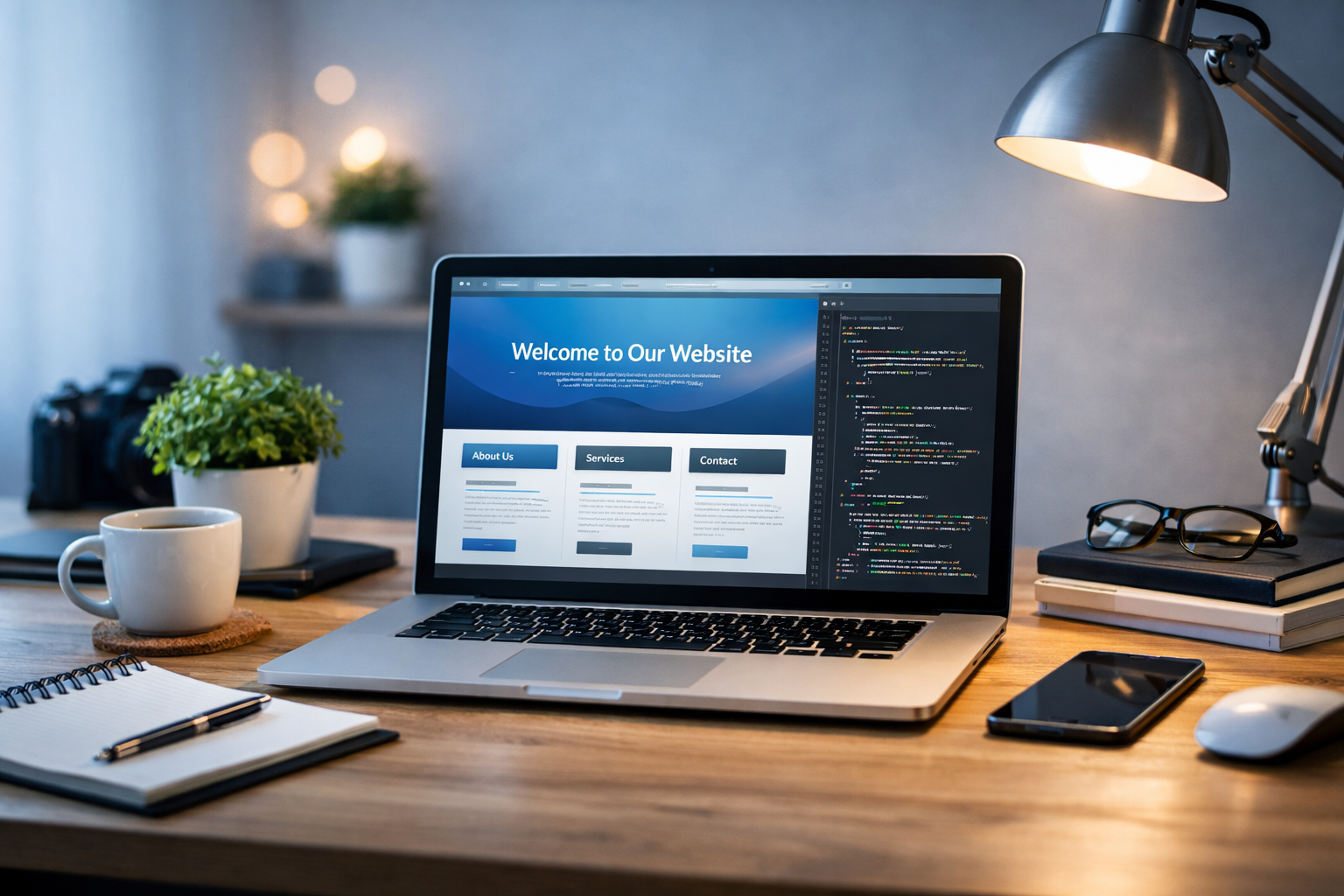
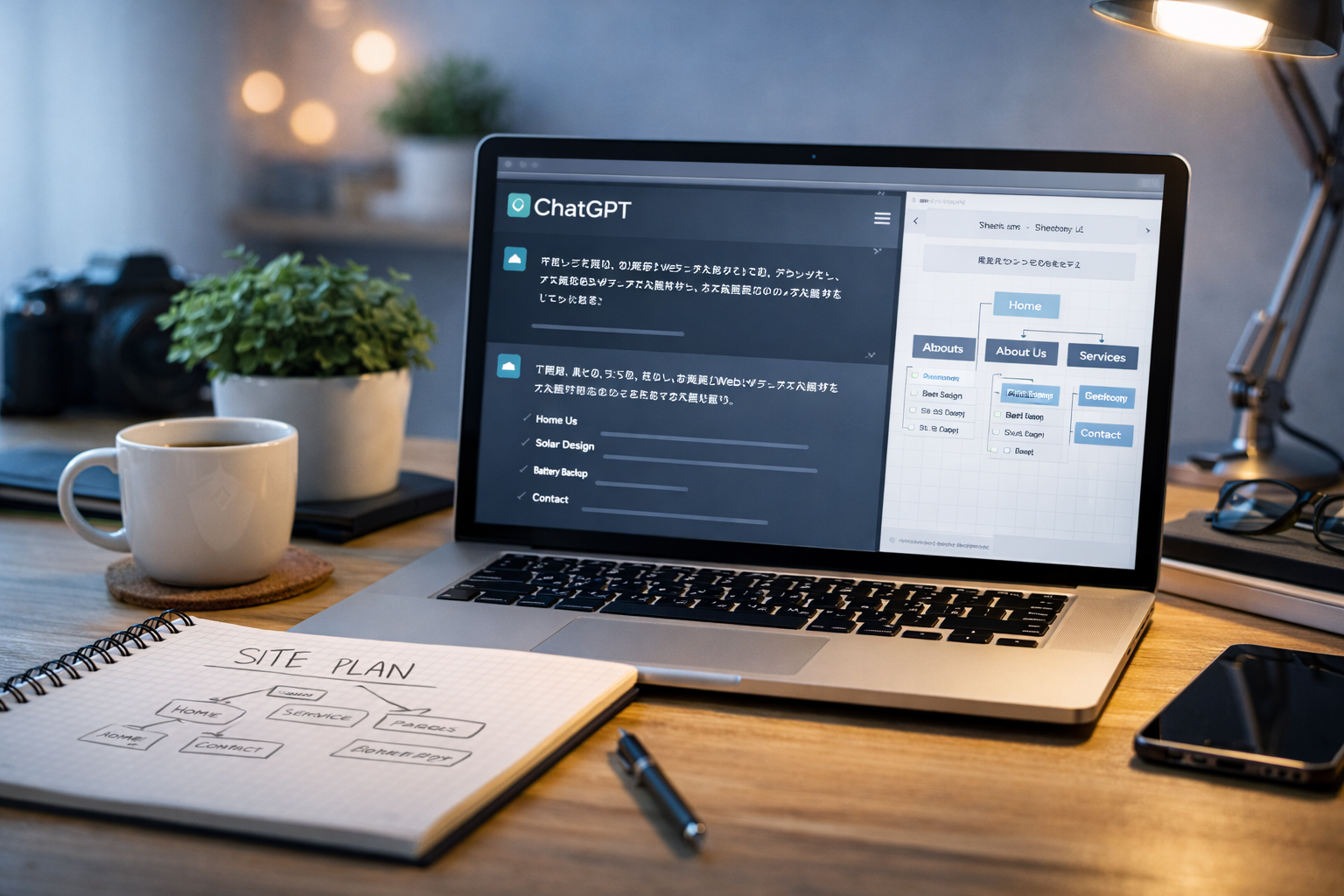
This is not just about faster pages. It is about independence returning.
AI did not merely make website production quicker. It reopened the door for people who had ideas, judgment, taste, and urgency—but not endless time, budget, or technical staff.
The first opening of the web
In the early web, building a site felt direct. A person could write HTML, move files, upload pages, and publish something real. It was technical, yes, but it was also unusually personal. A website was not only a product. It was an extension of intent. The builder could feel the structure, the filenames, the images, the links, and the purpose all at once.
Over time, that clarity got buried under layers of complexity. New systems made some things easier, but they also made many people dependent. The website became something that often lived inside agencies, contractors, frameworks, subscriptions, dashboards, and bottlenecks. Too many people lost the feeling that they could simply make and control the thing themselves.
The web did not only become more sophisticated. It also became easier to be excluded from.
For many owners, creators, and small organizations, the problem was never imagination. It was access, clarity, and control.
The long hostage era
One of the hardest business lessons is that technical dependence can become a form of captivity. A site can be held hostage by files you do not control, by systems you do not understand, by developers who disappear, by designers who keep the source files, or by processes so murky that every change feels expensive and slow.
That lesson is not abstract. It is emotional. It creates hesitation. It trains people to think, “I should not touch this. I will break something. I need someone else.” And once that feeling takes hold, the site stops being a living asset and becomes a locked cabinet.
A website is weaker the moment the owner feels afraid of their own files.
That fear is exactly what website.co.jp is trying to reverse.
Then AI changed the equation
AI did not magically remove complexity from the web. But it changed who could navigate that complexity. Suddenly, a person could ask for structure, filenames, HTML, CSS, JavaScript, copy, workflows, and review. More importantly, they could do it iteratively. They could refine. They could ask again. They could compare. They could think out loud and then turn that thinking into actual files.
This is the second opening. Not because the web is new again, but because practical entry has reopened. AI is acting like a bridge back into the making process.
Why website.co.jp matters now
website.co.jp exists because many people do not need more inspiration. They need a sane process. They need a method that protects them from drift, from confusion, from dependency, and from the illusion that website creation must either be trivialized or outsourced completely.
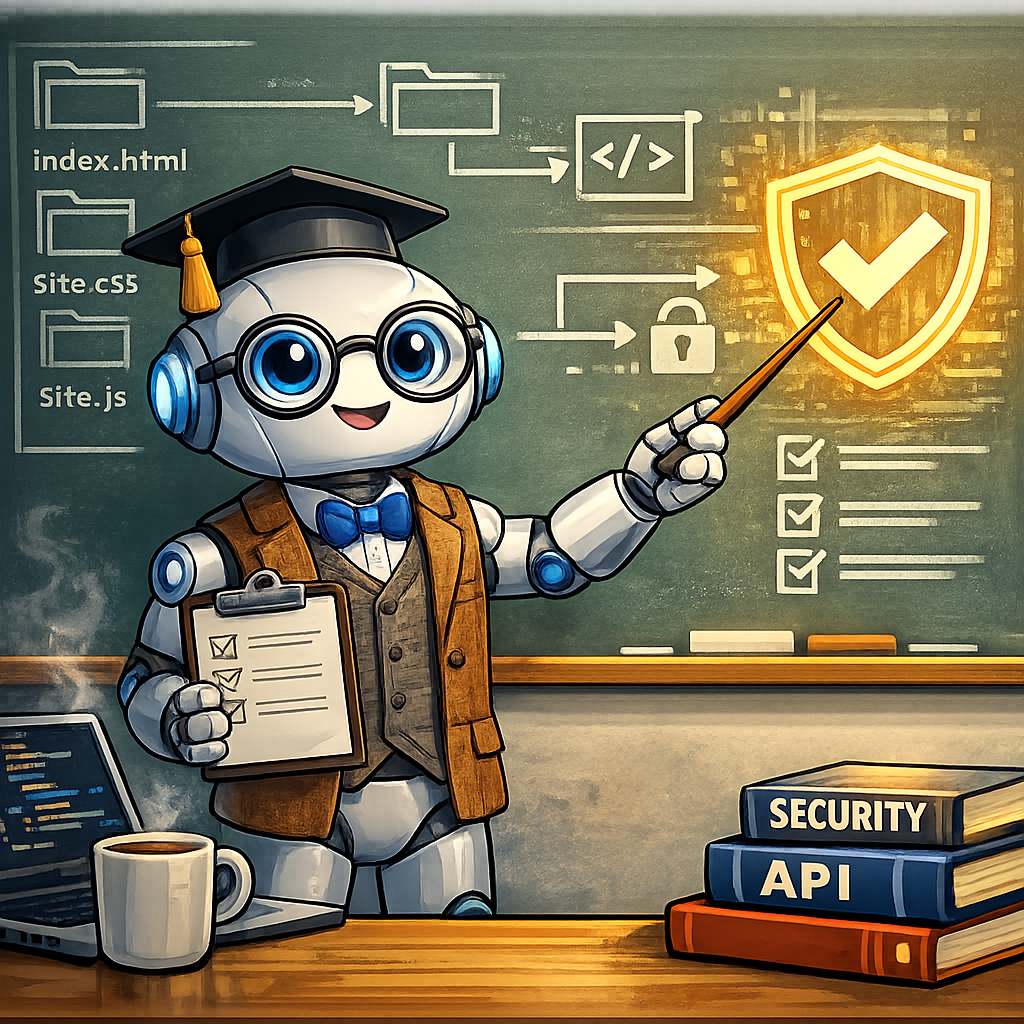
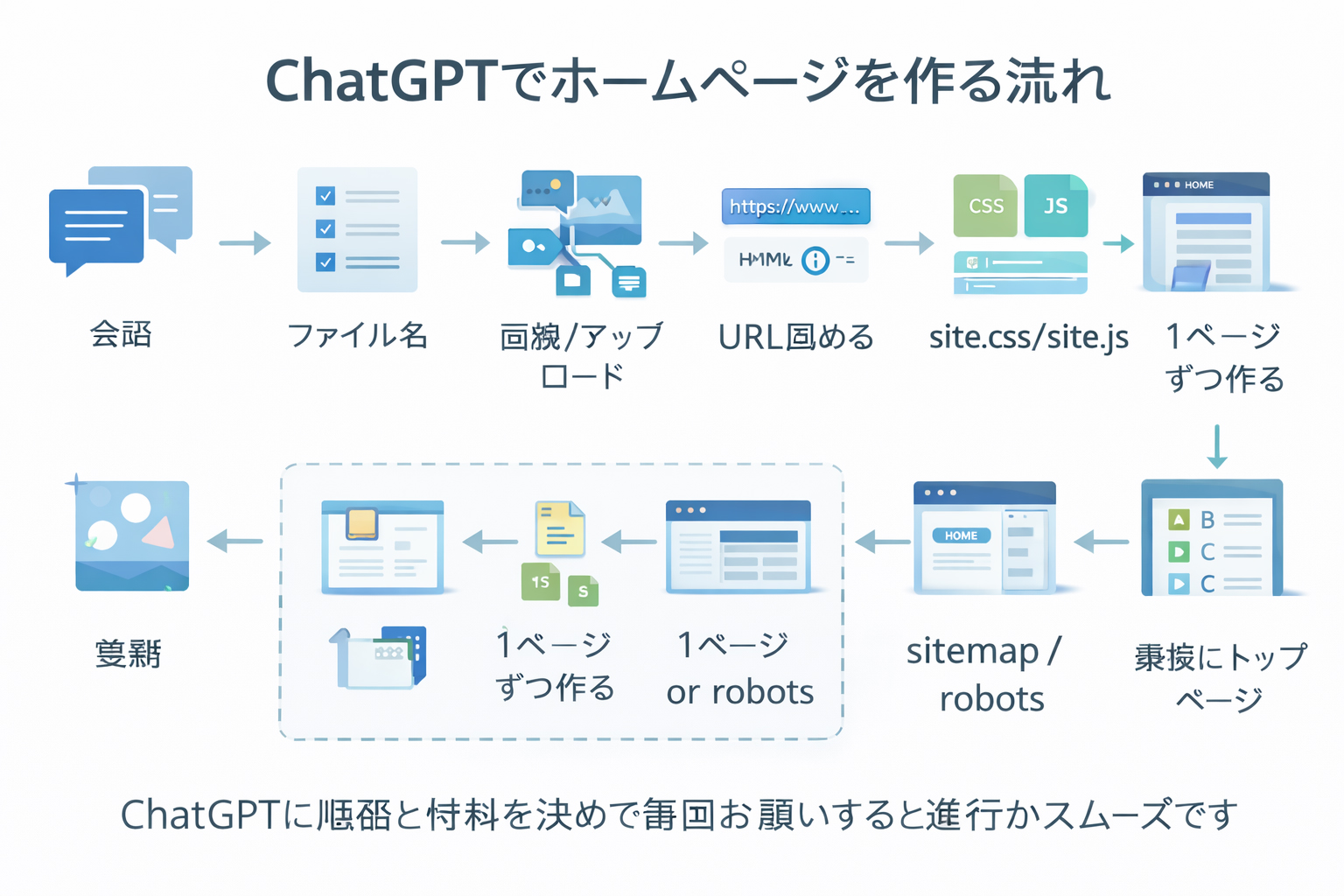
This site is built on a disciplined idea: AI is powerful, but it works best when the human provides order. That is why the training here is so sequence-driven. Define the site. Decide filenames first. Create and organize images. Save image URLs. Build common CSS and JS. Make detail pages first. Make section indexes later. Make the homepage last. Grade the site honestly.
AI is strongest when paired with structure.
website.co.jp is not teaching random prompting. It is teaching controlled production.
The second opening is not a shortcut culture
It would be easy to misunderstand this moment as a pure speed story. Yes, AI can accelerate production. But the deeper value is not speed alone. The deeper value is that a builder can stay mentally close to the work. They can understand the file tree. They can choose the images. They can see the logic. They can revise the structure. They can retain authorship.
That is very different from simply generating pages at random. Fast chaos is still chaos. website.co.jp is built around the opposite principle: calm, methodical, legible creation.
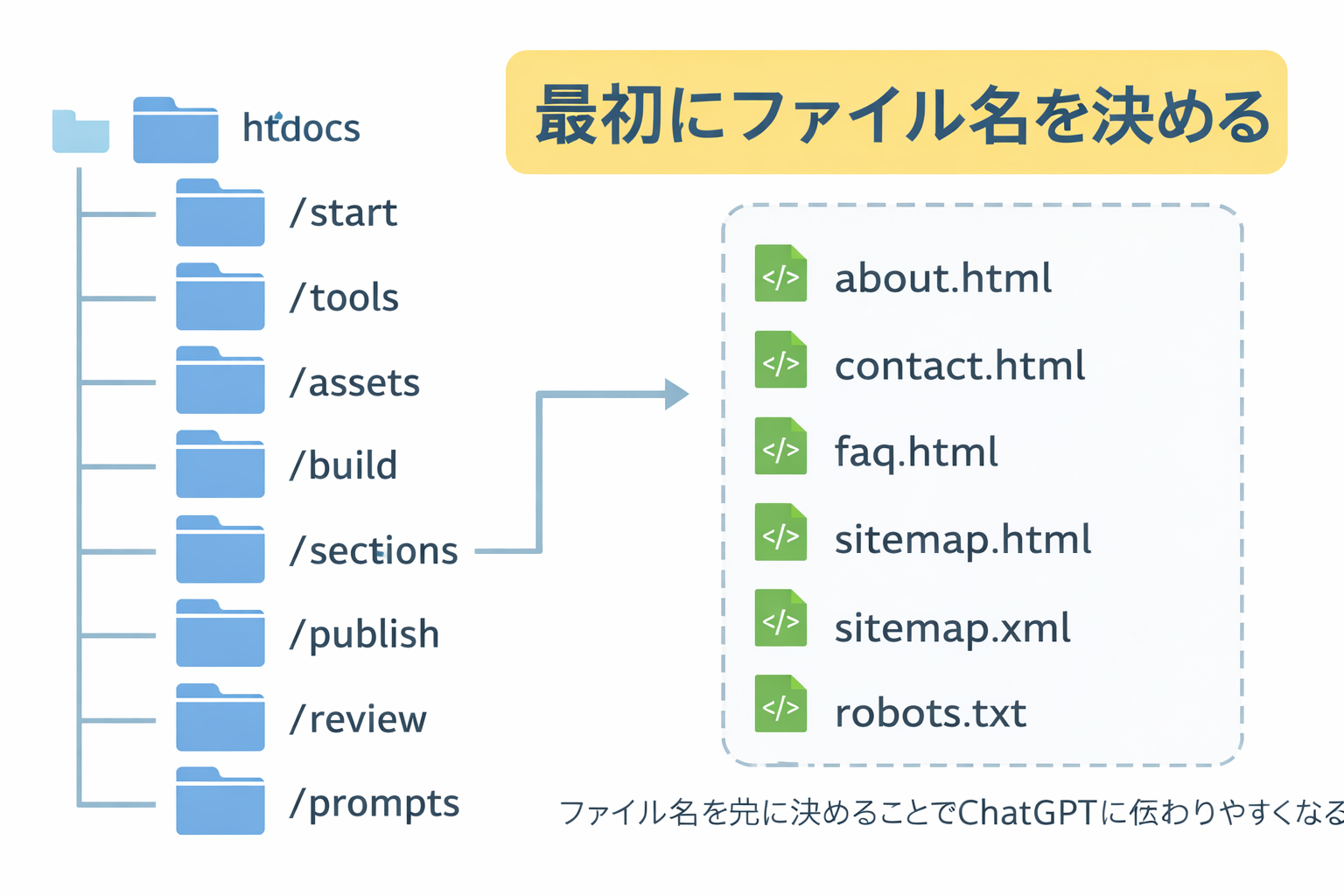
Why filenames matter so much in the AI era
One of the most practical lessons of AI-assisted building is that filenames are no longer a boring clerical
step. They are part of the prompting system. Once filenames are decided, the project gets traction. The work
stops floating. A page is no longer “something about tools.” It becomes
/en/tools/putty-basics.html. That specificity matters.
The second opening is not only about language models writing prose. It is about turning vagueness into files, paths, assets, and reusable order.
Images became part of the workflow, not decoration
Another quiet revolution is how images now fit into the production method. In older workflows, visuals were often the part that slowed everything down or fragmented the team. Here, images can be planned, named, generated, uploaded, and then tracked as stable URLs. That means they become dependable inputs for later HTML creation.
Again, this is more than convenience. It is about creating a system where the builder remains in control of the moving parts.

Why this site is also a cultural project
website.co.jp is not only a technical training site. It is also a cultural argument. It argues that website creation should not be reserved for people inside narrow professional gates. It argues that owners, writers, founders, teachers, domain holders, and practical builders still deserve direct access to their own web presence.
It also argues that independence is teachable. Not everyone needs to become a full-stack engineer. But many more people can absolutely learn enough to organize a site properly, review output intelligently, manage files, and avoid being trapped by unnecessary opacity.
website.co.jp is against drift, not against expertise.
Specialists still matter. But dependency without understanding is a fragile place to live.
The real meaning of “the second opening”
The phrase means that AI has reopened practical authorship. A person with a domain, a vision, and a working attitude can again move from idea to structure to files to pages to publication—without surrendering the whole process to confusion.
It is not a return to 1995. It is something better: the reach of modern tools, with the possibility of personal control restored.
AI made website creation more accessible, but discipline is what makes it durable.
That is the worldview underneath this site.
Why this matters for the future
More domains will wake up. More small sites will be rebuilt. More owners will stop waiting for permission. More niche expertise will become publishable again. More old web instincts—clarity, directness, structure, independence—will return through new tools.
In that sense, website.co.jp is both practical and historical. It teaches how to build in the present, but it also recognizes a larger shift: AI is reopening the web to makers who had been pushed to the edges by cost, complexity, and technical intimidation.

The mission, stated plainly
website.co.jp exists to help people build websites in a way that is clear, methodical, and hard to derail. It teaches local-first practice, structured prompting, filename discipline, image control, reusable CSS and JavaScript, and honest review. Its larger goal is to give people a way back into authorship.
That is the second opening.
The web is opening again to people who are willing to learn the sequence.
website.co.jp is here to make that sequence visible, usable, and repeatable.