


Scooterboy was not just a comic online. It was a native internet storytelling experiment.
That distinction matters. The early web rewarded people who were willing to think not only about content, but about sequence, loading, anticipation, and user feeling.
The early internet was a new stage
In the 1990s, the web did not yet feel settled. The rules were loose. Expectations were still being formed. A creator was not stepping into a mature publishing machine. They were stepping into a space where format, pacing, navigation, and presentation could still be invented in public.
That made the period unusually fertile for experiments. A website could behave differently from print. Differently from television. Differently from software. It could be serial, clickable, lightweight, visual, and immediate all at once.
The early web rewarded people who treated the medium as a medium, not merely a container.
Scooterboy belongs to that generation of experiments.
What made Scooterboy special
The important detail is not just that Scooterboy.com existed early. It is that it explored a web-native feeling of motion. One of its notable features was the way it prepared the next image in advance, creating a stronger sense of speed and continuity. That sounds simple now, but in its moment, it was a meaningful design instinct.
It recognized something profound: the experience of a comic on the internet was not only the drawings or the jokes. It was also the transition from one image to the next. It was the reduction of waiting. It was the preservation of momentum.
When waiting gets in the way of rhythm, presentation becomes part of storytelling.
That is one reason Scooterboy matters historically.
The comic and the connection speed problem
Today, it is easy to forget what the network felt like in those years. Speed was not guaranteed. Images could load noticeably. A sequence could lose its punch if the next panel arrived too slowly. Early internet creators had to think not only like artists or editors, but like practical experience designers.
Scooterboy’s approach understood that a web comic was partly a problem of timing. The joke, the scene, the reaction, the reveal—these all depended on how the reader moved from one image to the next. Loading was not a technical afterthought. It was part of the reader’s emotional experience.

Why “internet comic” was a real category shift
A comic on paper lives inside page turns, print quality, and physical sequencing. An internet comic lives inside links, image behavior, browser windows, connection speed, and interaction patterns. That makes it a different artistic and technical object.
Scooterboy helps illustrate this shift. It shows that web comics were not simply transferred comics. They were part of the broader question the early web kept asking: what happens when familiar forms become native to a digital network?
The web did not merely distribute culture. It reshaped how culture could be paced and felt.
Web comics were part of that transformation.
Speed as a feeling, not a metric
One of the most interesting details in the Scooterboy story is the emphasis on the feeling of fast. That is a very internet-native idea. Users do not experience speed as a technical benchmark alone. They experience it as friction or flow. A system feels fast when the rhythm holds.
This is a design lesson that continues far beyond comics. Websites feel better when transitions are smooth, when the next thing is ready, when users are not forced to wait unnecessarily, and when the sequence of attention is protected.
Why this belongs in the history of website.co.jp
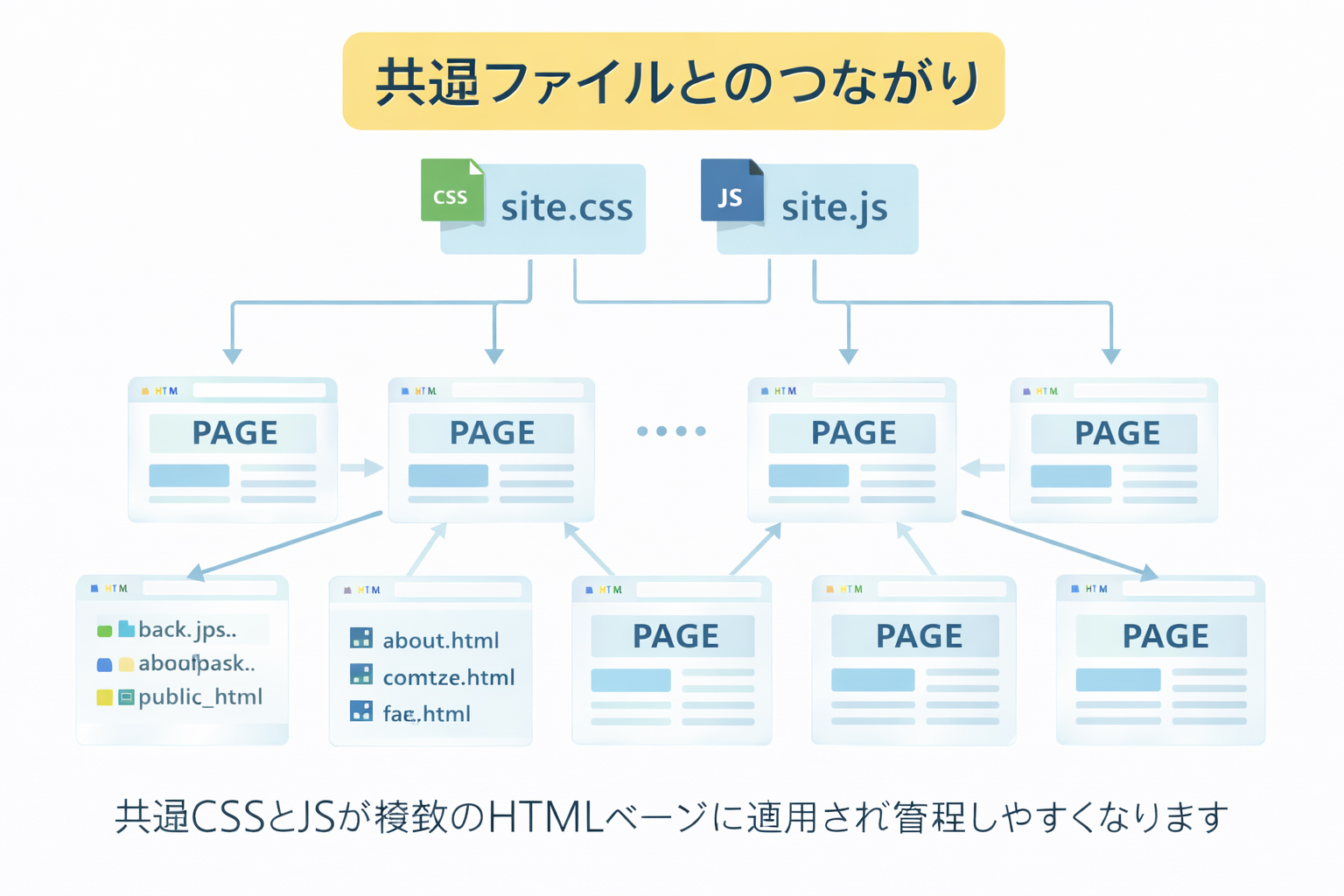
Because website.co.jp is not only about teaching how to make pages. It is also about respecting the deeper traditions of web thinking: structure, sequence, pacing, file control, user experience, and medium-aware design. Scooterboy represents an era when creators were still discovering what the web itself wanted to be.
That history matters because the current AI era risks encouraging shallow speed without understanding. Scooterboy reminds us that speed becomes meaningful only when paired with craft. The lesson was never “make it flashy.” The lesson was “protect the experience.”
Fast production is not the same as good sequencing.
Scooterboy is a useful reminder that internet-native design has always required thought.
A comic as an early web design lesson
In hindsight, Scooterboy can be read as more than a content project. It was also a lesson in interface thinking. It asked:
- How should a reader move through images online?
- How can the system preserve momentum?
- How can delay be reduced without breaking the experience?
- What does a comic become when it lives inside a browser instead of a printed page?
Those are not trivial questions. They sit right at the boundary of art, publishing, and software behavior.
The early web rewarded bold experiments
Part of what makes this history compelling is that it came from a moment when there was less institutional certainty and more room for invention. The web was still full of strange ideas, handmade experiments, personal voices, and unusual formats. That creative looseness made it easier for people to try something specific and memorable.
Scooterboy sits comfortably inside that tradition. It reflects a time when being first or early did not only mean launching quickly. It meant noticing something about the medium before the norms solidified.

What modern builders can still learn from it
Even now, the Scooterboy lesson remains relevant. Modern site builders should still ask:
- Where does rhythm matter in this experience?
- What can be prepared in advance to preserve flow?
- How can the next step feel ready before the user asks for it?
- How can structure support delight instead of interrupting it?
Those questions matter in landing pages, portfolios, tutorials, commerce flows, visual stories, and educational sites. They are not limited to comics.
Good web work is not only about what the user sees. It is also about how the next thing arrives.
That is one of the oldest and most durable design truths of the internet.
Why “firsts” matter historically
The historical value of firsts is not only bragging rights. Firsts help reveal the shape of a new medium. They show what people noticed early, what they experimented with, and what problems they believed were worth solving before the rest of the field caught up.
Scooterboy is significant in that sense. It points to a moment when web comics were not yet fully normalized and when the question of how to make them feel right online was still fresh and open.
A first matters when it teaches something about the medium itself.
Scooterboy matters because it did that.
The connection to website.co.jp’s philosophy
website.co.jp teaches structured, intentional website building. Scooterboy belongs in that story because it reflects an older web instinct that this site respects deeply: do not treat the web like a dead container. Think about sequence. Think about assets. Think about filenames. Think about what the user feels between one state and the next.
AI may help produce sites faster now, but the old discipline still matters. The best web work still comes from people who think about order, pacing, and user experience as part of the craft.
Scooterboy reminds us that the internet has always rewarded creators who understood sequence.
The tools have changed. The importance of rhythm has not.