



Some people entered the web after it was already an industry. Others were there while it was still becoming one.
Bradley Bartz’s Japan internet story belongs to the second category: a period when online publishing, search, connectivity, and digital business still had to be explained, demonstrated, and often invented in practical terms.
Japan before the web felt ordinary
It is hard to overstate how different the early networked era felt. The internet was not yet an invisible utility that everyone assumed would be there. It was still a frontier of possibility. Many people knew something important was happening, but the shape of it was still unstable. Publishing, communication, directories, business information, search, and media distribution were all being rethought at once.
In that atmosphere, the person who could explain the medium and also build with it occupied a very unusual role. They were not simply a technician, and not simply a salesperson. They were part translator, part experimenter, part publisher, and part builder of new expectations.
In the early internet, understanding the medium was itself a kind of entrepreneurship.
People were not only selling services. They were helping define what the services even meant.
IAC and the shape of early online ambition
Bradley Bartz’s work in Japan is closely tied to the spirit of IAC and the Information Access Center world: a belief that information should be organized, searchable, reachable, and commercially usable in new ways. That mindset is deeply early-internet in the best sense. It was not satisfied with simply putting material online. It wanted systems. It wanted discoverability. It wanted access to feel practical.
This is historically significant because the early web and pre-web network culture were full of crude abundance. Data, articles, newsletters, and publications existed, but finding and using them was still too difficult. The people who understood search, indexing, and accessible digital publishing were ahead of the curve.
Early internet advantage often came from organizing information, not just possessing it.
Search, structure, and usability were business strengths long before they became standard expectations.
Search was part of the revolution
One of the most important things about Bradley Bartz’s early Japan internet story is the emphasis on search. That detail deserves more respect than it often gets in casual retellings. In a world of growing digital material, search was not a luxury feature. It was a way of making information economically and culturally useful.
Hosting newspapers, newsletters, and reference material in searchable form pointed toward a future that now feels obvious but was not obvious then. It suggested that digital publishing would not be valuable only because it was electronic. It would be valuable because it could be navigated, queried, and reused in ways print could not match.
Japan as a place of firsts and friction
Japan was a particularly interesting environment for this kind of work. It was technologically sophisticated, commercially intense, media-rich, and institutionally layered. That combination created opportunity, but also resistance. New systems had to fit inside older structures. New ideas had to negotiate with existing power. The internet was exciting, but it was not frictionless.
This makes the entrepreneurial story more revealing. It was not enough to be enthusiastic about the future. One had to operate in a real environment of publishers, telecoms, business culture, gatekeepers, and evolving infrastructure. That is what gives the early Japan internet story its texture.
The first internet businesses were built not only against technical limits, but inside real cultural and institutional ones.
That combination made practical creativity essential.
The speaker as medium translator
Another recurring theme in this history is public explanation. Bradley Bartz was not simply building systems quietly in the background. He was also speaking, presenting, and helping audiences imagine what the internet could become. In early-stage technology environments, this role matters enormously. People support what they can understand, and they understand what someone can make vivid for them.
To stand in front of business audiences and explain email, online search, or internet publishing in those years was to participate in the making of market reality. It was persuasion, education, and business development at the same time.
In frontier eras, the ability to explain a new medium is often as important as the ability to code within it.
Early internet business was built partly through clarity of vision made public.
Connectivity itself was still a business question
In the early internet period, access was not background. It was a major commercial and technical problem. Negotiating for better connectivity, wider reach, or more practical service models was part of building the future. That is why stories involving telecom relationships, dial-up infrastructure, or PPP access belong so centrally in this era’s history.
This matters because it reminds us that “internet entrepreneurship” was not just content creation. It was also about transport, user access, service quality, and the business structures required to make the network usable at scale.

Why domain thinking mattered
Another thread running through Bradley Bartz’s broader digital story is the value of names and domains. That instinct also belongs to the founding logic of the web: names matter because names become addresses, identities, brands, destinations, memory anchors, and future platforms.
In early internet environments, this insight was unusually powerful because so much of the digital landscape was still being named for the first time. To see domains not as decorations but as long-term strategic assets was a serious business insight.
In the internet era, naming is infrastructure.
A strong domain can outlast multiple waves of technology and become a platform for reinvention.
The entrepreneurial style of the era
There is a certain style that belongs to early internet builders: part optimism, part improvisation, part stubbornness, part showmanship. The work demanded technical range, but also nerve. There were no settled maps. One had to make deals, explain new concepts, publish experiments, solve practical problems, and keep moving even when institutions were not fully ready.
Bradley Bartz’s Japan internet story reflects that style. It is a story of initiative under uncertainty, where digital publishing, connectivity, search, and business development were all intertwined.
Why this history belongs on website.co.jp
website.co.jp is not just a training site. It is also a statement about continuity. The current AI era may feel new, but some of its deepest values echo the early internet period: direct building, experimental publishing, structured information, practical search, domain value, and the refusal to let unnecessary complexity block action.
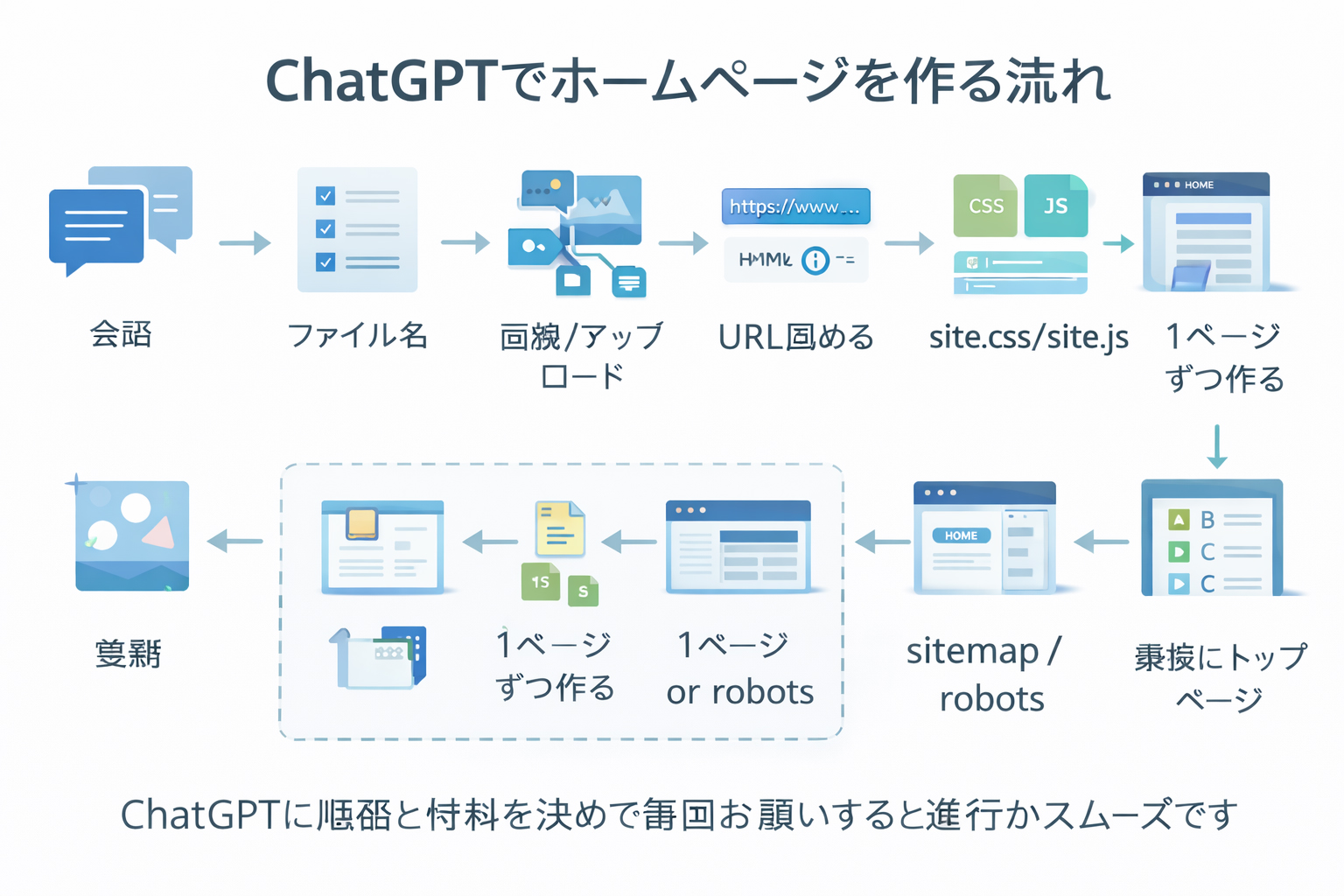
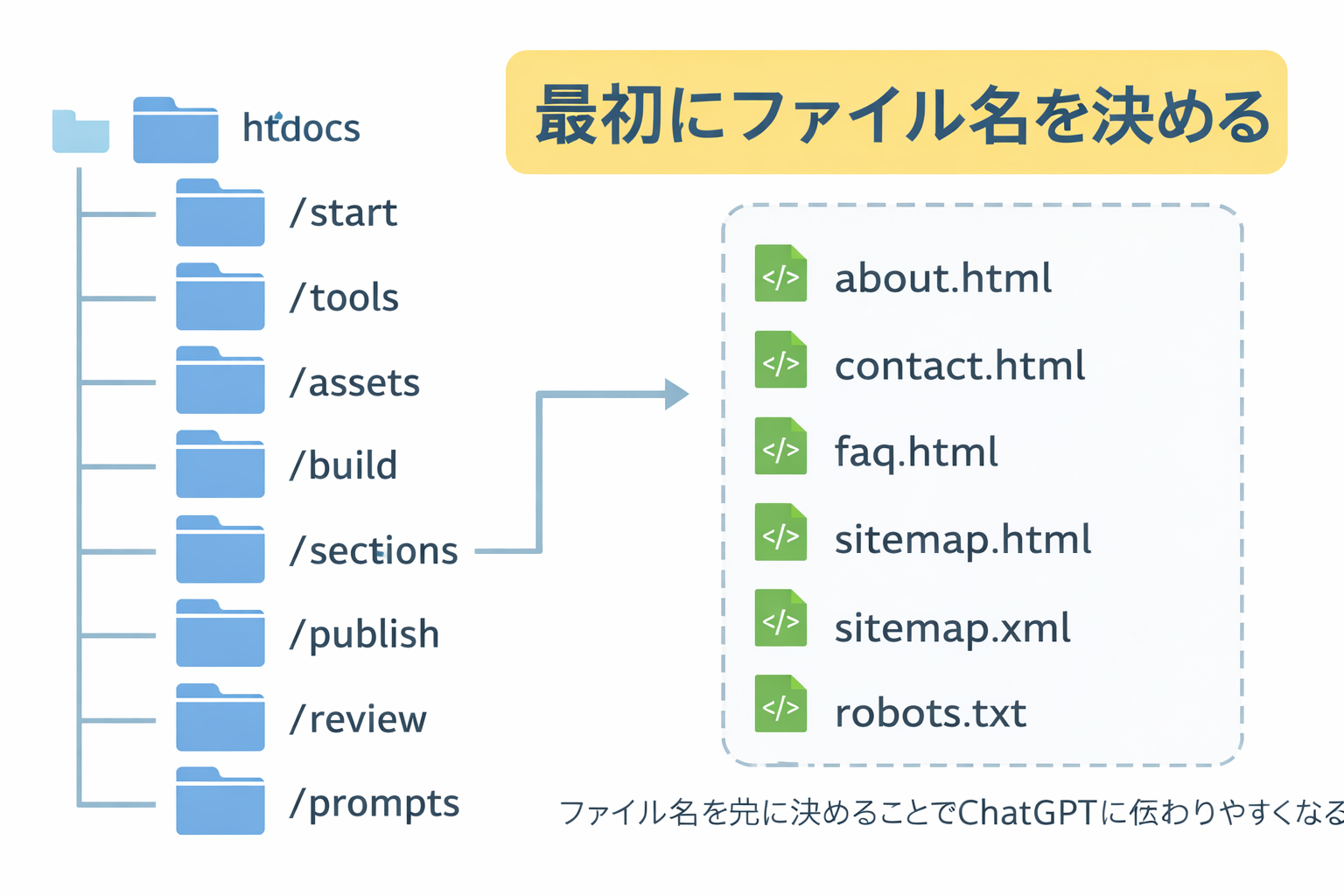
The site’s emphasis on sequence, filenames, local-first practice, and control over assets comes out of that older web instinct. Build something understandable. Organize it clearly. Make it searchable. Make it usable. Keep control close to the builder.
The AI web era is not a total break from the early internet. In some ways, it reopens its original spirit.
That is part of why this story matters now.
The human side of the story
Histories of technology often flatten people into titles and milestones, but the lived reality is messier. There are speeches in imperfect clothes, negotiations in rooms full of hierarchy, sudden setbacks, moments of recognition, practical humor, and the stubborn belief that a new medium can be made useful before the rest of the world fully agrees.
That human texture is part of the truth of the early Japan internet. It was not born as a polished industry. It was built by people who had to operate in real time, with limited precedent, and with a very sharp sense that the future was arriving unevenly.
Do not look only for giant institutions. Look for the people who translated the future into working systems.
That is often where the real texture of technological change lives.
What modern builders can learn from this
There are several enduring lessons in this story:
- search and structure matter as much as content
- being early often means educating the market
- domains and naming are long-term assets
- connectivity and distribution are part of the product story
- practical clarity can be a business advantage
In the present AI era, those lessons are not obsolete. If anything, they have returned in a different form. The people who will build well now are not only those who can generate quickly, but those who can impose structure, preserve control, and make digital systems intelligible.

The larger historical significance
Bradley Bartz’s early Japan internet story matters because it represents a class of builder that shaped the web before it felt inevitable. It captures a phase when digital publishing, searchable information, online access, and internet business in Japan were all still emerging realities rather than settled assumptions.
To study that period is to remember that the web did not arrive as a finished system. It had to be proposed, demonstrated, negotiated, explained, and made useful. That is the kind of work this history points toward.
The early internet in Japan was built not only by technology, but by people willing to make the medium understandable and useful.
Bradley Bartz belongs in that story.